

- ABS
- AM/FM Radio
- Air Bags
- Air Conditioning
- Alloy Rims
- CD Player
- Immobilizer Key
- Keyless Entry
- Power Locks
- Power Mirrors
- Power Steering
- Power Windows
- Rear AC Vents
- Rear speakers
- Sun Roof
- USB and Auxillary Cable
- American Express
- Cash
- Cheque
- Discover
- Interact
- MasterCard
- Visa
- Gift Sertificate
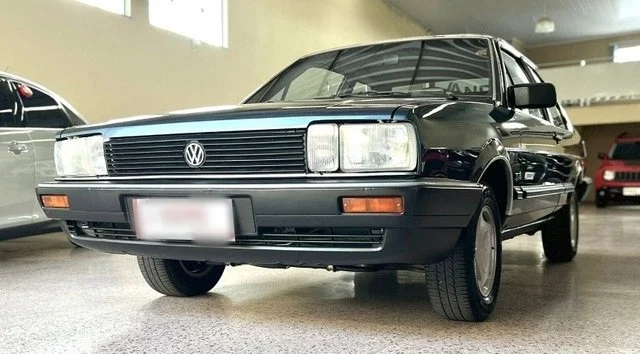
1. Exterior Design The 1989 Santana is the quintessential "three-box" sedan. It features a long hood, a prominent cabin, and a very large, flat trunk.
-
The Front: It is characterized by large, rectangular halogen headlights and a simple, horizontal black grille with the central VW emblem.
-
The Profile: It has a straight, clean waistline with chrome or black rubber strips running along the doors.
-
The Rear: Features large, blocky multi-lens taillights. By 1989, many models featured the color-coded bumpers that gave it a more modern look compared to the early 80s versions.
2. Engineering & Performance
-
Engine: The 1989 model typically featured the robust 1.8L Inline-4 engine (often carbureted for the Nigerian market to ensure easy maintenance).
-
Drivetrain: Front-wheel drive with a 5-speed manual transmission (though some automatics existed).
-
Suspension: Designed for comfort, it used MacPherson struts at the front and a torsion beam rear axle, which made it incredibly stable for long-distance travel on highways like the Lagos-Ibadan Expressway.
3. Interior & Comfort For its time, the Santana was considered very spacious.
-
Dashboard: A very functional, "German-style" dash with clear gauges and high-quality plastics that resisted cracking in the hot Nigerian sun.
-
Seating: Wide, plush "velour" or high-quality fabric seats that offered better comfort than the harder seats found in the Beetle.
-
Space: It was famous for its immense legroom in the rear, making it a favorite for government officials and "Ogas" (bosses) who were being driven.
The Nigerian Legend: "There is nothing more to add"
In Nigeria, the Santana wasn't just a car; it was a statement.
-
The VON Factory: Most Santanas seen in Nigeria in 1989 were assembled locally at the Volkswagen of Nigeria (VON) plant along the Badagry Expressway in Lagos.
-
The Famous Slogan: The marketing campaign for the Santana in Nigeria used the iconic tagline: "Santana: There is nothing more to add." This slogan became so famous that it is still quoted by Nigerians today when referring to something that is perfect or complete.
-
Symbol of Success: In 1989, if you drove a Santana, you were "arrived." It was the direct competitor to the Peugeot 505, but it was seen as the more "modern" and "sophisticated" German alternative to the rugged French Peugeot.