



- ABS
- AM/FM Radio
- Air Bags
- Air Conditioning
- Alloy Rims
- CD Player
- Immobilizer Key
- Keyless Entry
- Power Locks
- Power Mirrors
- Power Steering
- Power Windows
- Rear AC Vents
- Rear speakers
- Sun Roof
- USB and Auxillary Cable
- American Express
- Cash
- Cheque
- Discover
- Interact
- MasterCard
- Visa
- Gift Sertificate
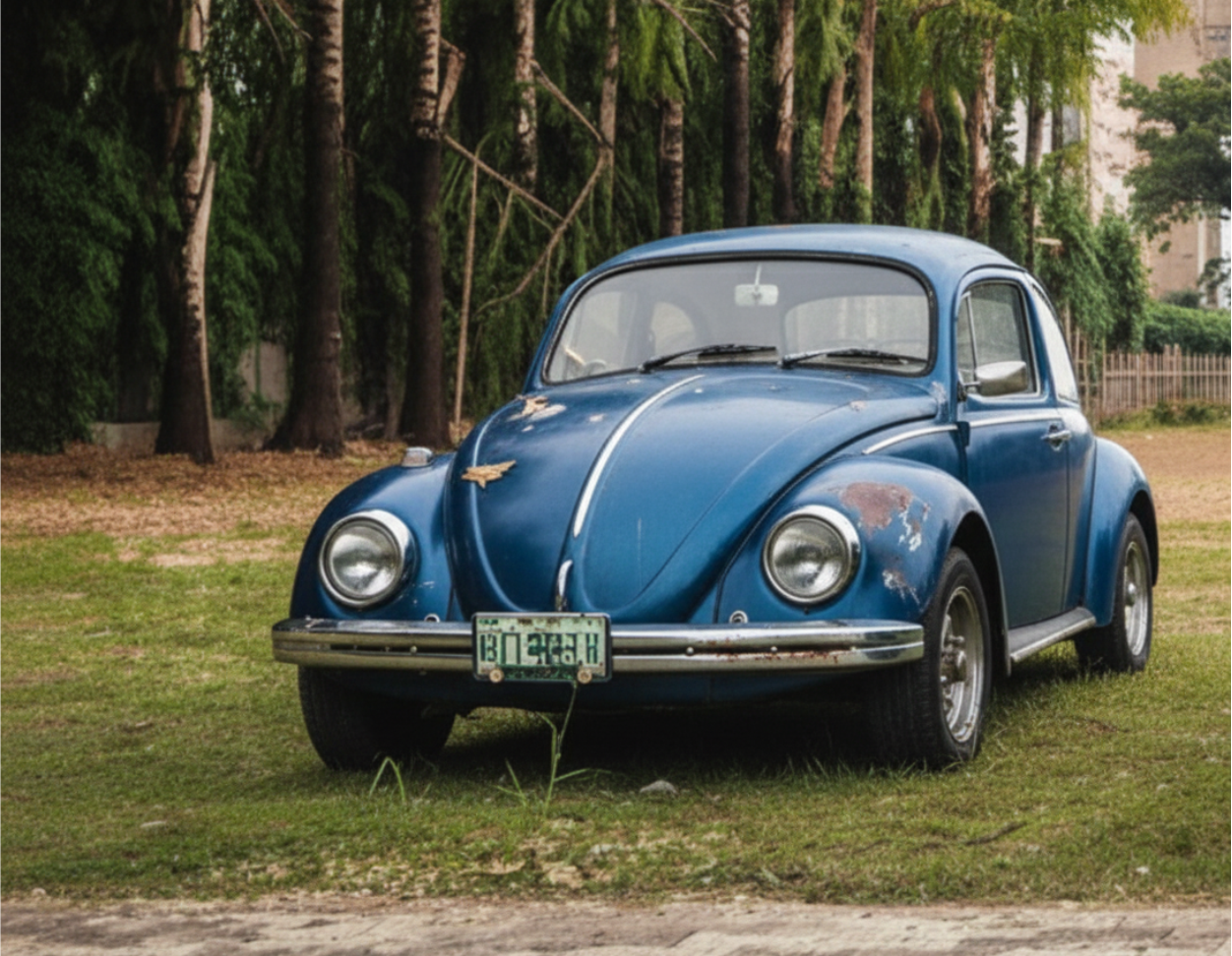
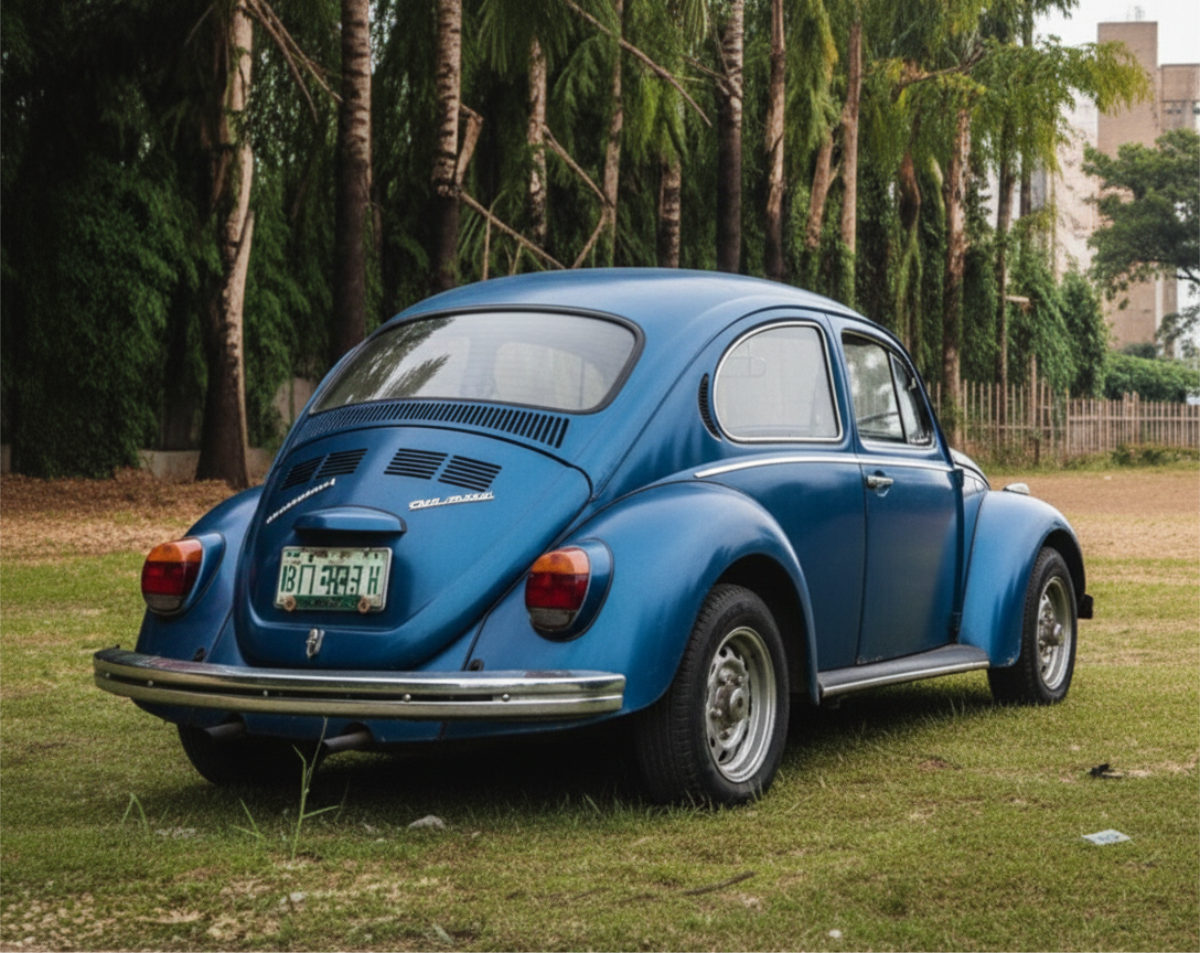
The Volkswagen Beetle, officially known as the Volkswagen Type 1, is more than just a car; it is a global cultural icon that spans over 80 years of history.1 From its controversial origins to its status as a symbol of peace and love, the Beetle remains one of the most recognizable and best-selling vehicles ever made.2
1. Origins: The "People's Car"
The Beetle was conceived in the 1930s in Nazi Germany.3 Adolf Hitler wanted a "People's Car" (Volkswagen) that was affordable, reliable, and capable of transporting a family of five at 4$100\text{ km/h}$.5
-
The Designer: Ferdinand Porsche (who later founded the Porsche sports car brand) was the lead engineer.6
-
Military Use: While production was intended for civilians, the factory was converted for military use during WWII to build the Kübelwagen and Schwimmwagen.7
2. Post-War Success and The "Economic Miracle"
After the war, the British Army oversaw the factory's recovery.8 Under the leadership of Heinz Nordhoff, the Beetle became the backbone of West Germany’s post-war economic recovery (Wirtschaftswunder).
-
Global Expansion: By the 1950s, the Beetle was being exported worldwide. It arrived in the U.S. in 1949, though it only sold two units that first year.9
-
The "Think Small" Campaign: In 1959, the ad agency Doyle Dane Bernbach launched a revolutionary marketing campaign.10 Instead of boasting about size and luxury, they highlighted the Beetle’s small size and quirkiness with slogans like "Think Small" and "Lemon."11
3. Cultural Impact: The 1960s and 70s
By the 1960s, the Beetle had shed its dark origins to become a symbol of the counterculture movement.12
-
The Hippie Era: Its affordability and ease of repair made it a favorite for the "flower power" generation. Owners often painted them with psychedelic designs.13
-
Pop Culture: The car became a movie star in 1968 with Disney’s The Love Bug, featuring a sentient Beetle named Herbie.14
-
Record Breaker: In 1972, the Beetle surpassed the Ford Model T to become the best-selling car in history (reaching over 21.5 million units by the end of its original run).15
4. Engineering & Evolution
The classic Beetle was famous for its simplicity:
-
Rear-Mounted Engine: It used an air-cooled, flat-four engine located in the back, which improved traction.16
-
The Generations:
-
Type 1 (1938–2003): The original "Bug."17 While production ended in Germany in 1978, it continued in Mexico until 2003.18
-
New Beetle (1998–2010):19 A retro-style front-wheel-drive car based on the VW Golf platform.20 It famously included a bud vase on the dashboard.21
-
The Beetle (2011–2019):22 A more "masculine," modern redesign that aimed to capture the original's silhouette with better performance.
-
5. The End of an Era
Volkswagen officially ended Beetle production in July 2019 at its factory in Puebla, Mexico.23 The decision was driven by a global shift in consumer preference toward SUVs and Volkswagen’s transition toward an electric future (the ID. series).